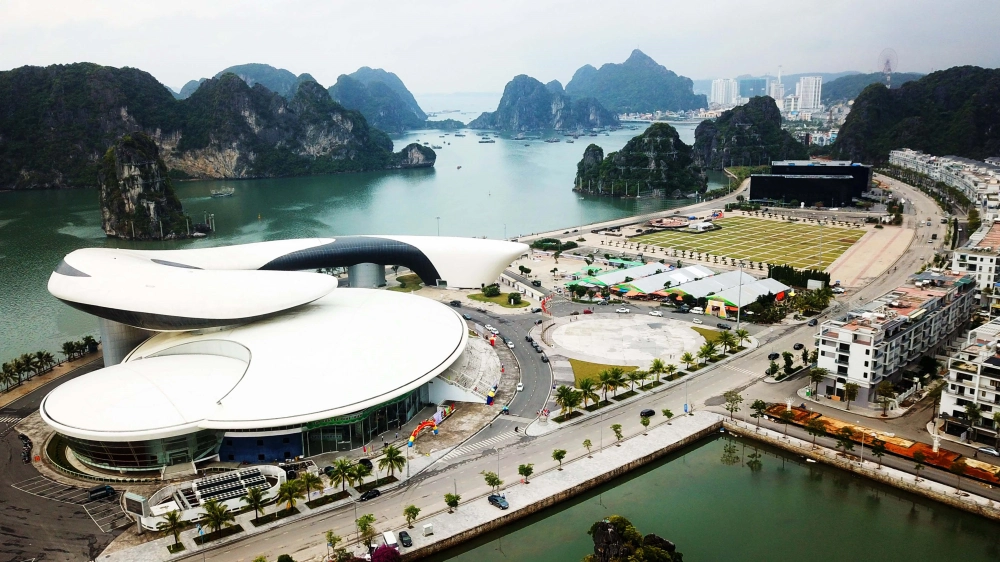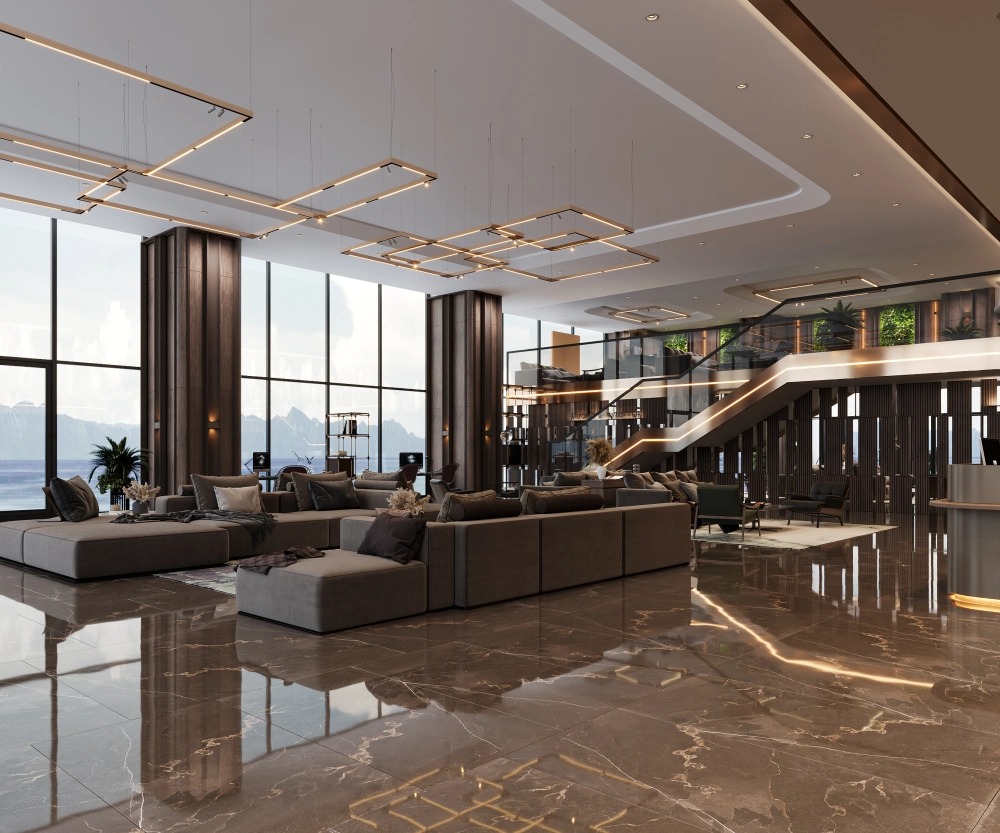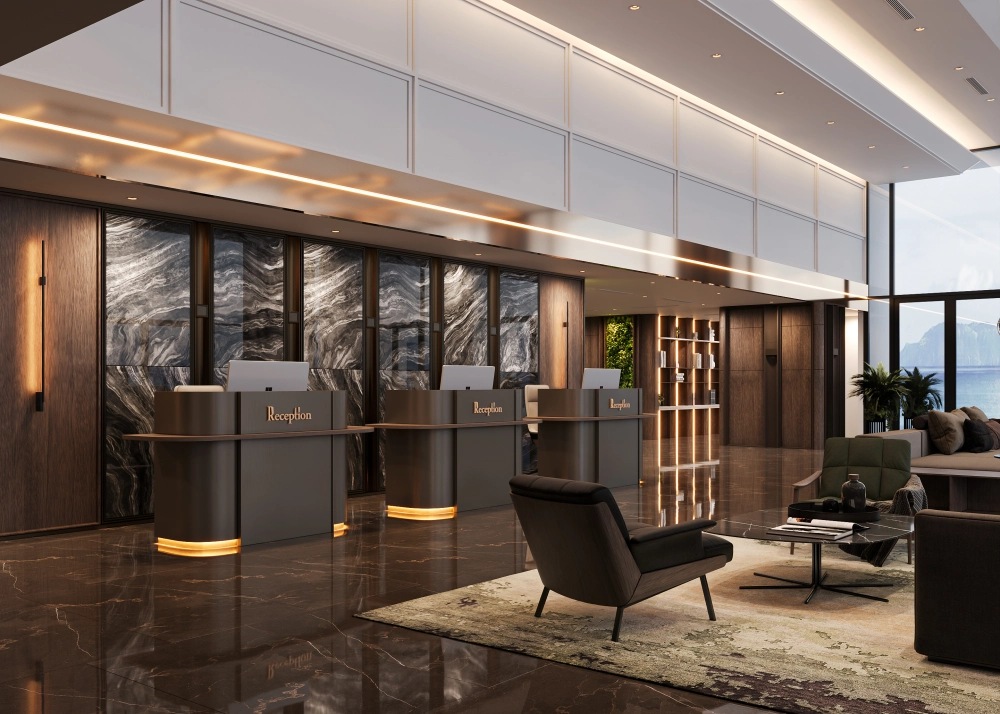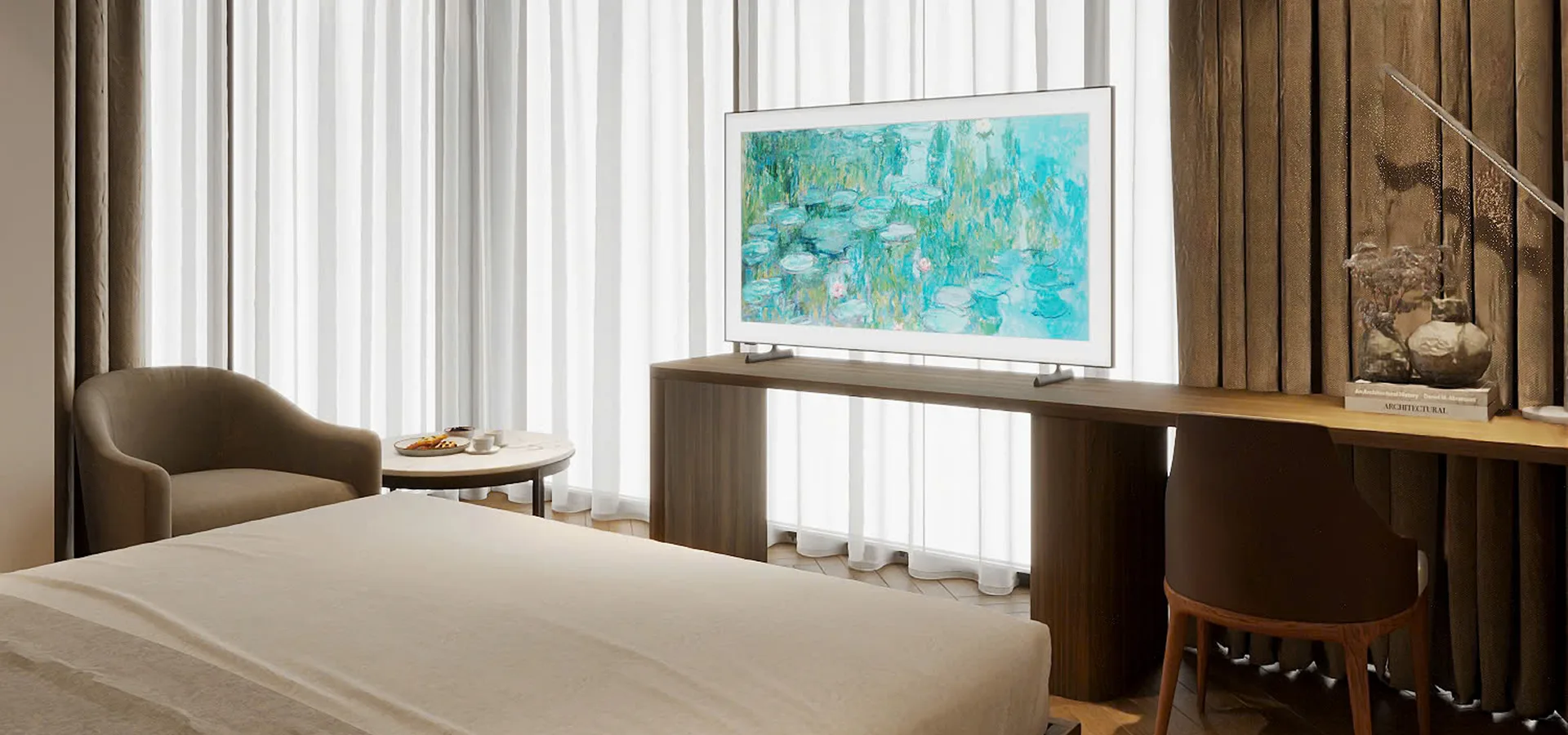
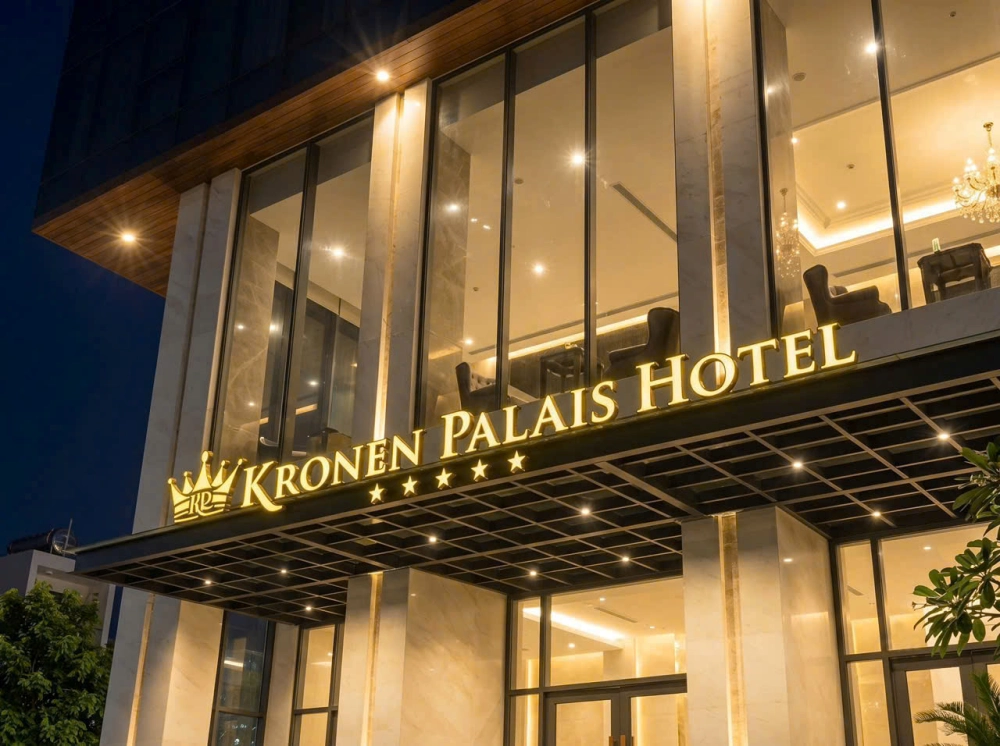
Kronen Palais – A Luxury 5-Star Hotel in Quang Ninh
How Kronen Palais created Ha Long's most stunning year-round sky pool retreat on the 10th floor.
Discover more: Kronen Palais – A Luxury 5-Star Hotel in Quang Ninh
Japan is one of Asia’s most established tourism destinations, attracting visitors through its combination of traditional culture, advanced technology, natural landscapes, and high-quality hospitality services. Major cities such as Tokyo, Osaka, Kyoto, and Fukuoka serve as important tourism and business centers, supporting a diverse accommodation market.
As international travel continues to evolve, Japan’s hotel industry is adapting to changing customer preferences, technological developments, and new investment opportunities.
Japan offers a wide range of travel experiences, including historical attractions, shopping districts, seasonal festivals, mountain landscapes, and traditional hot spring resorts.
These attractions generate demand for different accommodation formats. Business hotels appeal to corporate travelers seeking convenience and value, while luxury properties focus on premium services and exclusive experiences. Traditional Japanese inns, known as ryokan, attract guests interested in local cuisine, cultural traditions, and wellness experiences.
Major cities generally benefit from established transportation networks and diverse visitor activities. Meanwhile, regional destinations can attract travelers seeking nature, relaxation, and distinctive cultural experiences.
The diversity of these destinations allows hotel operators to develop specialized products for domestic tourists, international visitors, and business travelers.
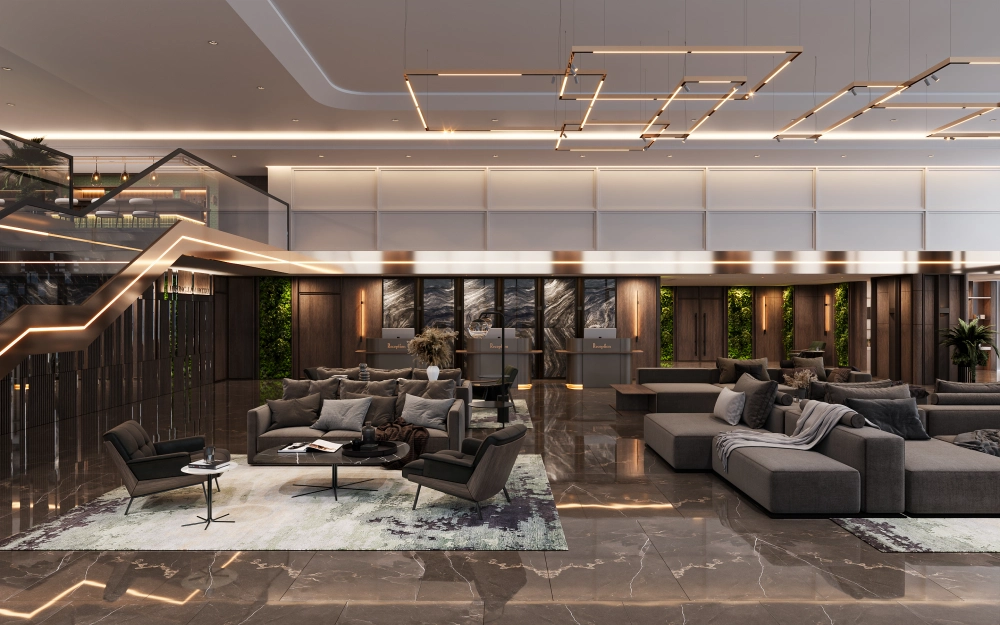
Technology plays an increasingly important role in Japan’s hospitality industry. Digital reservation platforms, automated check-in systems, electronic payments, and smart room controls can improve operational efficiency and convenience.
However, automation does not eliminate the importance of personal service. In the luxury segment, attention to detail, hospitality traditions, personalized assistance, and high-quality dining remain important elements of the guest experience.
Hotels are also exploring flexible accommodation models, including extended-stay properties and smaller design-focused establishments. These formats can serve travelers seeking greater independence, additional living space, or a more distinctive atmosphere.
For operators, the challenge is to integrate technology without compromising service quality or the characteristics that make their properties unique.
Japan’s hotel market attracts investors because of its established tourism infrastructure, recognized hospitality standards, and diverse destinations. Nevertheless, operating costs, staffing challenges, regulatory requirements, and exchange-rate fluctuations can affect investment performance.
Investors must also account for differences between urban and regional markets, as demand patterns and seasonal conditions vary considerably.
Looking ahead, hotels that combine efficient operations, distinctive guest experiences, and effective customer targeting may be well positioned to compete.
Japan’s hospitality sector demonstrates how cultural identity, service quality, and technological innovation can work together to support long-term market development.
Related article
How Kronen Palais created Ha Long's most stunning year-round sky pool retreat on the 10th floor.
Discover more: Kronen Palais – A Luxury 5-Star Hotel in Quang Ninh
Our 5-star standard protocols combining hospital-grade sterilization with bespoke aromatherapy care.
Discover more: Kronen Palais – A Convenient Location for Exploring Quang Ninh
The Italian marble veins and Grohe gold fixtures selected for our 1,000m² Presidential Suite.
Discover more: Discover Quang Ninh with Ease from Kronen Palais Hotel
Demo post to preview the news slider – delete or replace with a real article.
Discover more: Ho Chi Minh City Hotel Market: Growth Opportunities in Business and Leisure Travel
Demo post to preview the news slider – delete or replace with a real article.
Discover more: Europe’s Hotel Market: Experience-Based Tourism Reshapes the Industry
Demo post showing every editor format – delete when the site has real articles.
Discover more: Global Hotel Market: Investment Trends and the Future of Hospitality