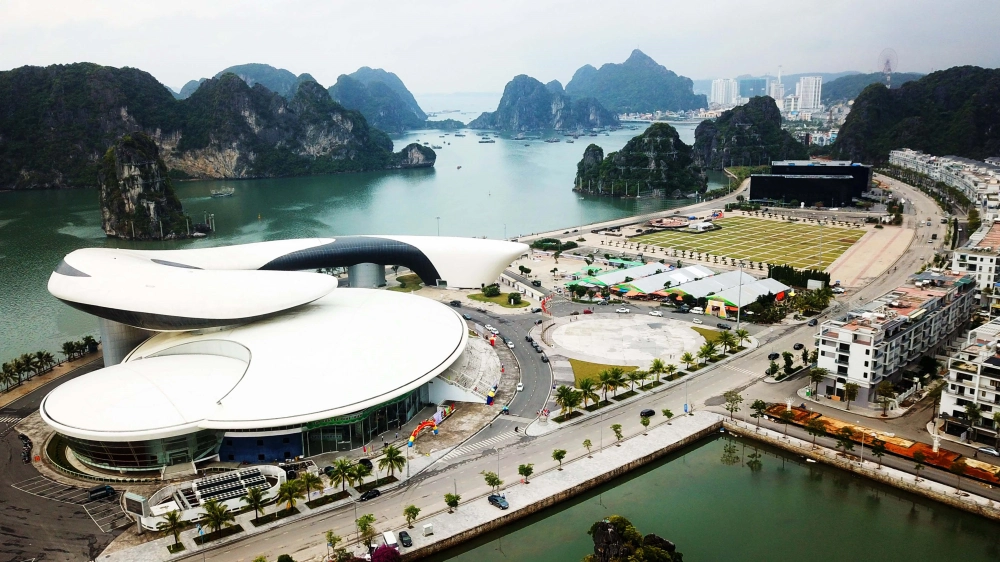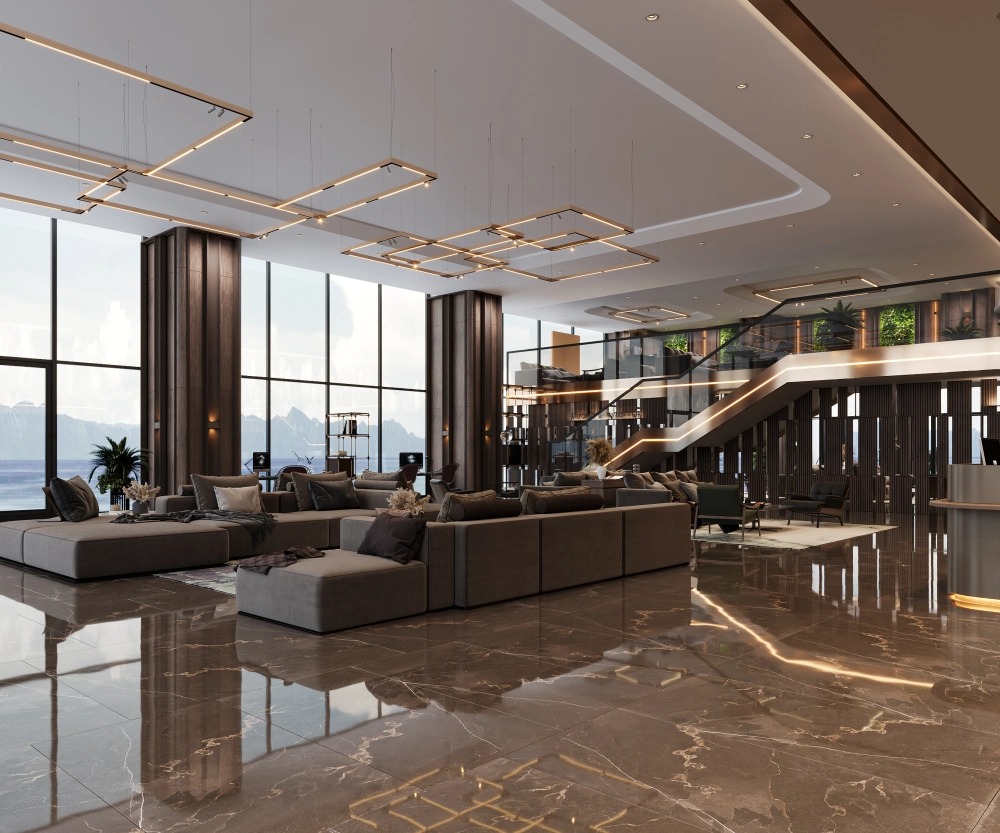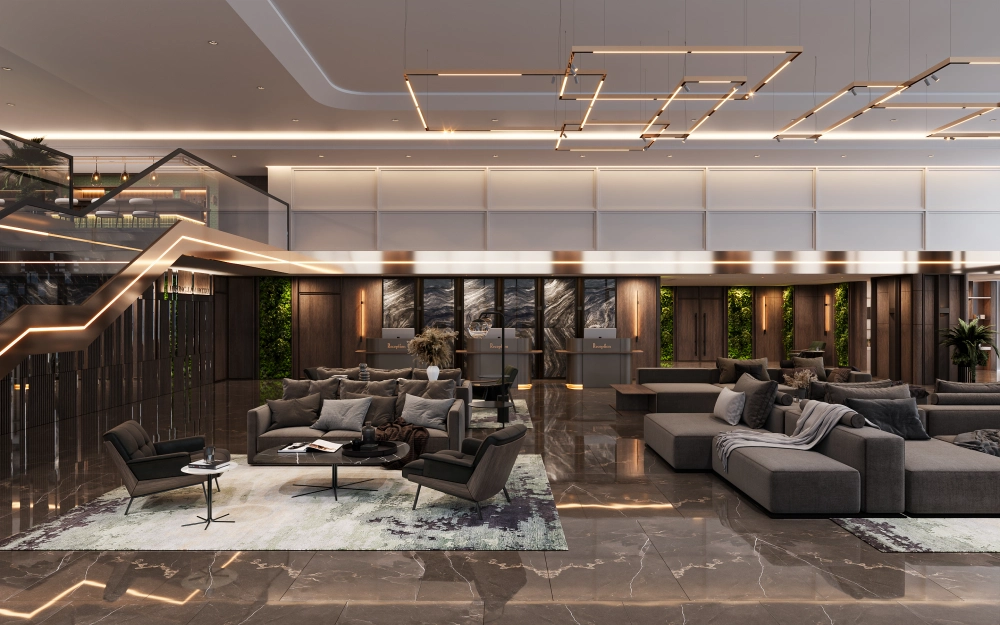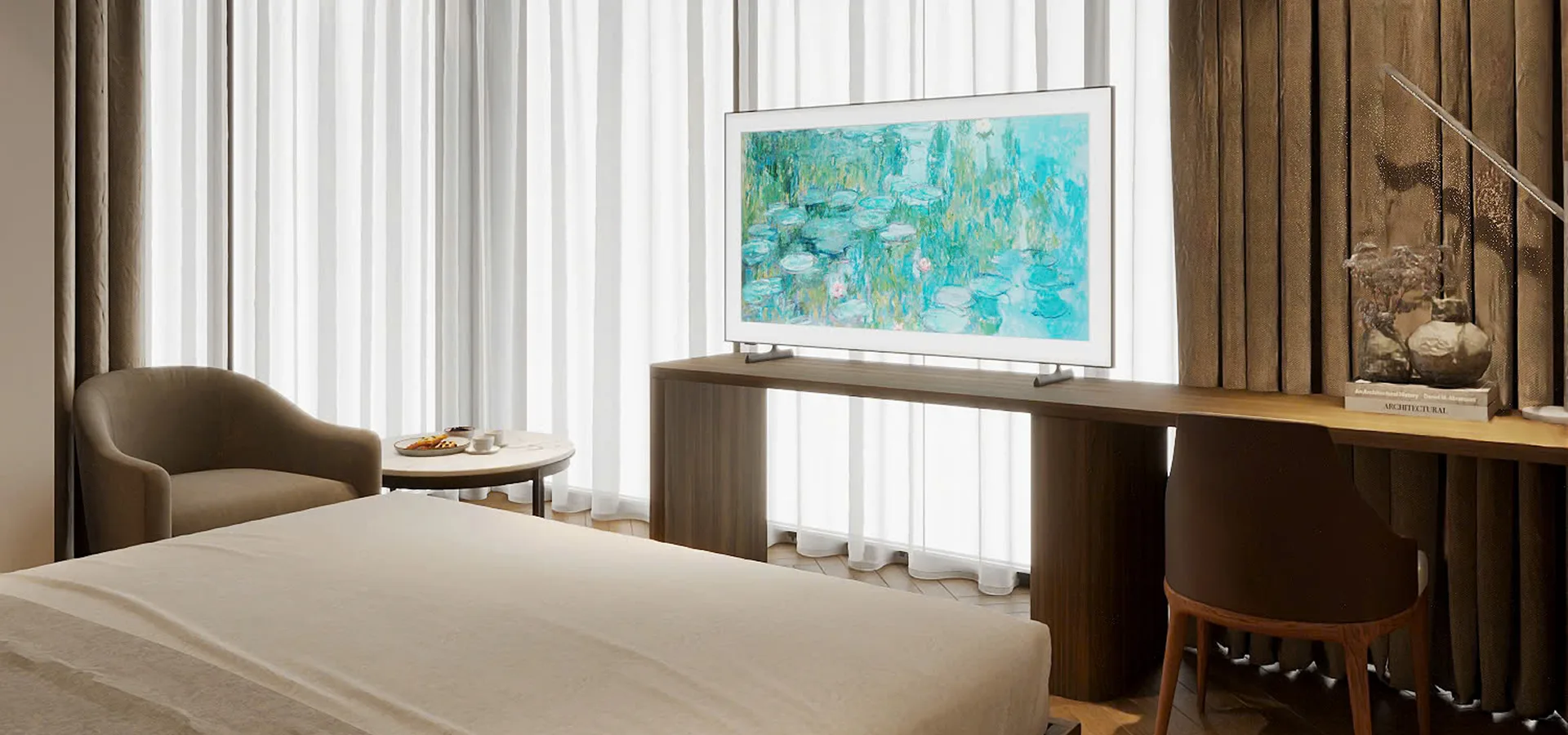
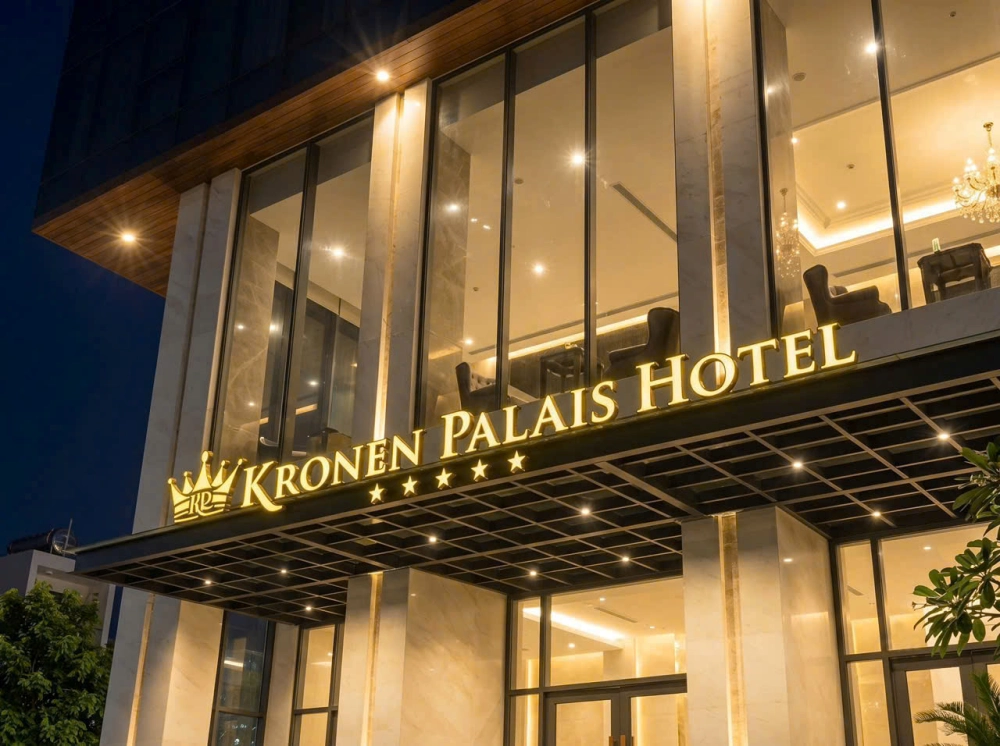
Kronen Palais – A Luxury 5-Star Hotel in Quang Ninh
How Kronen Palais created Ha Long's most stunning year-round sky pool retreat on the 10th floor.
Discover more: Kronen Palais – A Luxury 5-Star Hotel in Quang Ninh
Europe remains one of the world’s most established tourism regions, offering a broad selection of destinations, including historic cities, coastal resorts, countryside retreats, and mountain resorts. Cities such as Paris, Rome, Barcelona, and Amsterdam attract travelers through their architecture, museums, culinary traditions, and cultural attractions.
As traveler expectations evolve, Europe’s hotel industry is adapting its products and services to meet growing demand for personalized experiences, sustainable operations, and convenient accommodation.
Travelers increasingly seek accommodation that provides more than a comfortable room. Design, local identity, culinary experiences, and opportunities to explore regional culture can influence hotel selection.
This trend creates opportunities for boutique hotels and independent operators. Properties located in historic buildings or featuring distinctive architecture can offer experiences that differ from standardized accommodation formats.
Many hotels also collaborate with local restaurants, tour operators, and cultural organizations to develop activities that connect guests with their destinations.
International hotel groups continue to compete through brand recognition, loyalty programs, standardized service quality, and extensive booking networks. These advantages can help them attract repeat visitors and serve customers across multiple destinations.
Sustainability has become an important consideration for Europe’s hospitality sector. Hotels are increasingly exploring energy-efficient equipment, water conservation, waste reduction, and locally sourced food.
These initiatives can help reduce environmental impacts while supporting long-term cost management. However, implementing sustainable technologies and renovating existing buildings may require significant investment.
Labor expenses, property costs, maintenance requirements, and regulatory obligations also influence profitability, particularly in major tourism cities.
To remain competitive, hotel operators must balance investment in guest experiences with effective financial management. Digital tools can support this process by improving energy monitoring, staff scheduling, and revenue forecasting.
Europe’s hotel market benefits from established tourism infrastructure, cultural diversity, and demand from both international and domestic travelers. Nevertheless, market conditions vary significantly across countries, cities, and accommodation segments.
Hotels that understand local customer preferences and maintain clear brand positioning may be better equipped to navigate competition.
For investors, careful market research is essential. Factors such as property acquisition costs, renovation requirements, seasonal demand, and local regulations should be evaluated before making investment decisions.
In the long term, combining authentic local experiences, operational efficiency, and responsible business practices may help hotels strengthen their competitive positions in Europe’s evolving hospitality market.
Related article
How Kronen Palais created Ha Long's most stunning year-round sky pool retreat on the 10th floor.
Discover more: Kronen Palais – A Luxury 5-Star Hotel in Quang Ninh
Our 5-star standard protocols combining hospital-grade sterilization with bespoke aromatherapy care.
Discover more: Kronen Palais – A Convenient Location for Exploring Quang Ninh
The Italian marble veins and Grohe gold fixtures selected for our 1,000m² Presidential Suite.
Discover more: Discover Quang Ninh with Ease from Kronen Palais Hotel
Demo post to preview the news slider – delete or replace with a real article.
Discover more: Ho Chi Minh City Hotel Market: Growth Opportunities in Business and Leisure Travel
Demo post to preview the news slider – delete or replace with a real article.
Discover more: Japan’s Hotel Market: International Tourism Creates New Growth Opportunities
Demo post showing every editor format – delete when the site has real articles.
Discover more: Global Hotel Market: Investment Trends and the Future of Hospitality