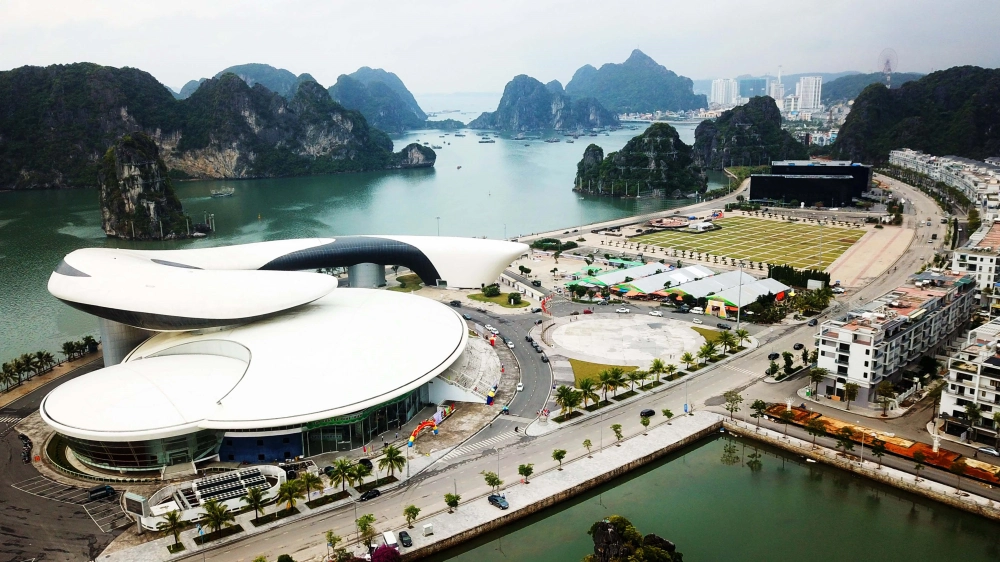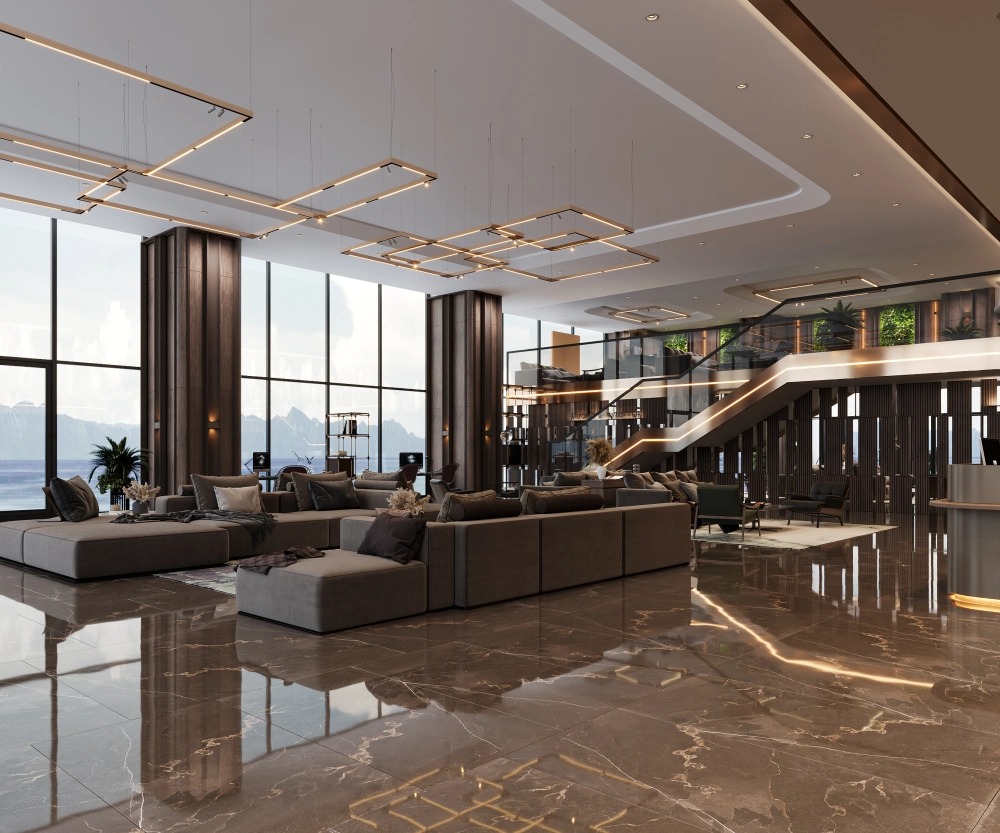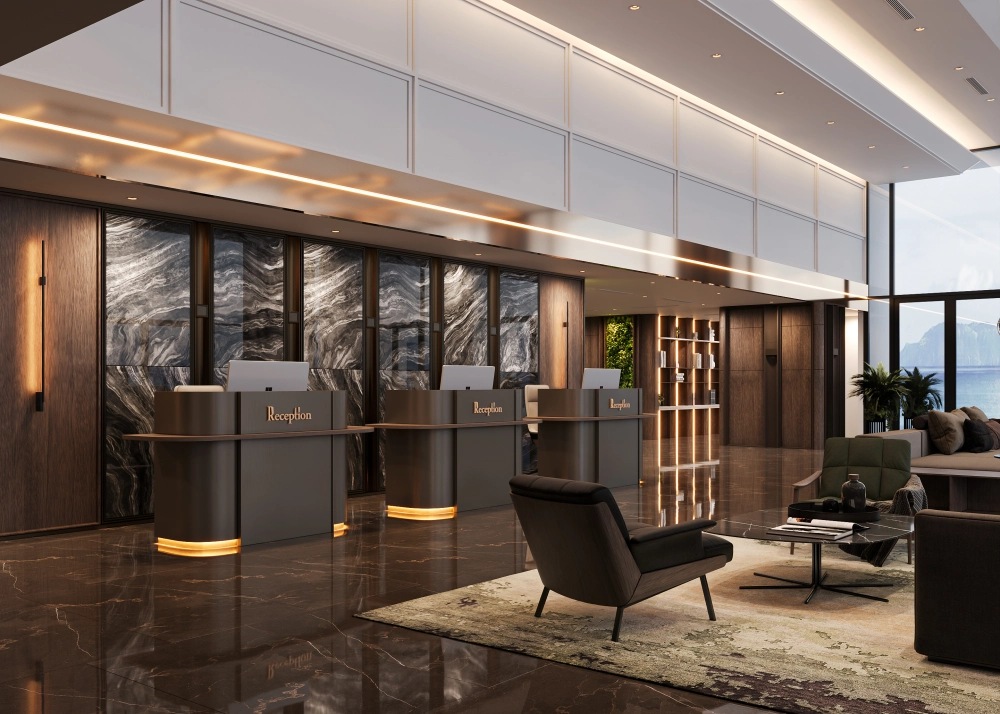
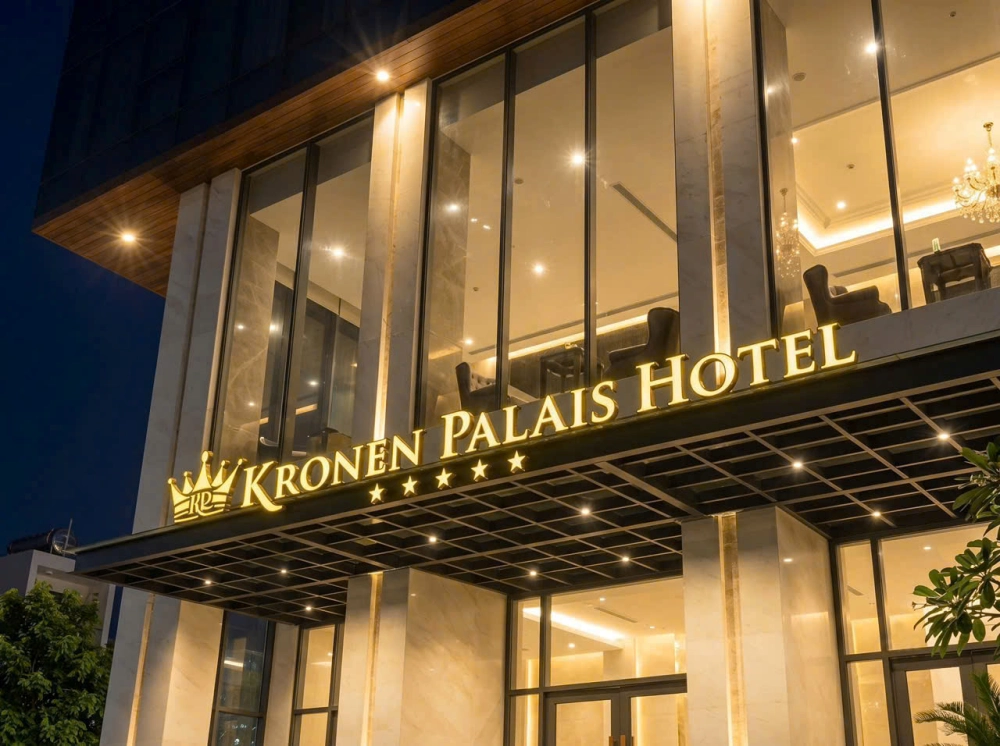
Kronen Palais – A Luxury 5-Star Hotel in Quang Ninh
How Kronen Palais created Ha Long's most stunning year-round sky pool retreat on the 10th floor.
Discover more: Kronen Palais – A Luxury 5-Star Hotel in Quang Ninh
The global hotel market is evolving as international tourism expands, technology transforms business operations, and travelers develop increasingly diverse expectations. From urban business hotels to luxury resorts and extended-stay accommodation, hospitality companies are exploring new ways to improve efficiency, strengthen customer loyalty, and increase profitability.
For investors, the hotel industry offers opportunities beyond room sales, including restaurants, conference facilities, entertainment, wellness services, and other complementary businesses.

Hotel investment decisions are influenced by interest rates, construction costs, property valuations, tourism demand, and the financial performance of individual destinations.
In an environment where financing conditions can change rapidly, investors are paying close attention to cash flow, asset quality, operating costs, and the capabilities of hotel management teams.
Markets with established tourism infrastructure, strong transportation connections, and diversified demand may attract interest from domestic and international investors.
In addition to developing new hotels, investors may consider acquiring existing properties, renovating older buildings, or repositioning assets to serve different customer segments.
Partnerships with international hotel brands can provide access to established distribution networks, management expertise, customer loyalty programs, and recognized service standards. However, investors must evaluate management fees, brand requirements, and contractual obligations carefully.

Digital transformation is changing how hotels market their services, manage reservations, communicate with guests, and optimize room prices.
Data analytics can help operators identify customer preferences, forecast demand, and develop more targeted promotional campaigns. Revenue management systems also allow hotels to adjust prices according to booking patterns, seasonality, and market conditions.
Automation can improve operational efficiency by reducing repetitive administrative tasks and streamlining guest services. Nevertheless, technology investments must be supported by staff training, cybersecurity measures, and reliable data management.
Personal interaction remains particularly important in luxury hospitality, where individualized attention and service quality are central to the guest experience.

The global hotel market may benefit from continued tourism development, expanding middle-income populations, and growing demand for distinctive travel experiences.
However, economic uncertainty, geopolitical risks, rising operating costs, labor shortages, and competition from alternative accommodation providers can affect business performance.
Successful investors must evaluate local market conditions rather than relying solely on broad global growth expectations. A property’s location, customer base, operating model, and financing structure all influence its long-term prospects.
Ultimately, hotels that combine strong asset management, efficient operations, and high-quality guest experiences will be better positioned to adapt to changing market conditions and pursue sustainable growth.
Related article
How Kronen Palais created Ha Long's most stunning year-round sky pool retreat on the 10th floor.
Discover more: Kronen Palais – A Luxury 5-Star Hotel in Quang Ninh
Our 5-star standard protocols combining hospital-grade sterilization with bespoke aromatherapy care.
Discover more: Kronen Palais – A Convenient Location for Exploring Quang Ninh
The Italian marble veins and Grohe gold fixtures selected for our 1,000m² Presidential Suite.
Discover more: Discover Quang Ninh with Ease from Kronen Palais Hotel
Demo post to preview the news slider – delete or replace with a real article.
Discover more: Ho Chi Minh City Hotel Market: Growth Opportunities in Business and Leisure Travel
Demo post to preview the news slider – delete or replace with a real article.
Discover more: Japan’s Hotel Market: International Tourism Creates New Growth Opportunities
Demo post to preview the news slider – delete or replace with a real article.
Discover more: Europe’s Hotel Market: Experience-Based Tourism Reshapes the Industry