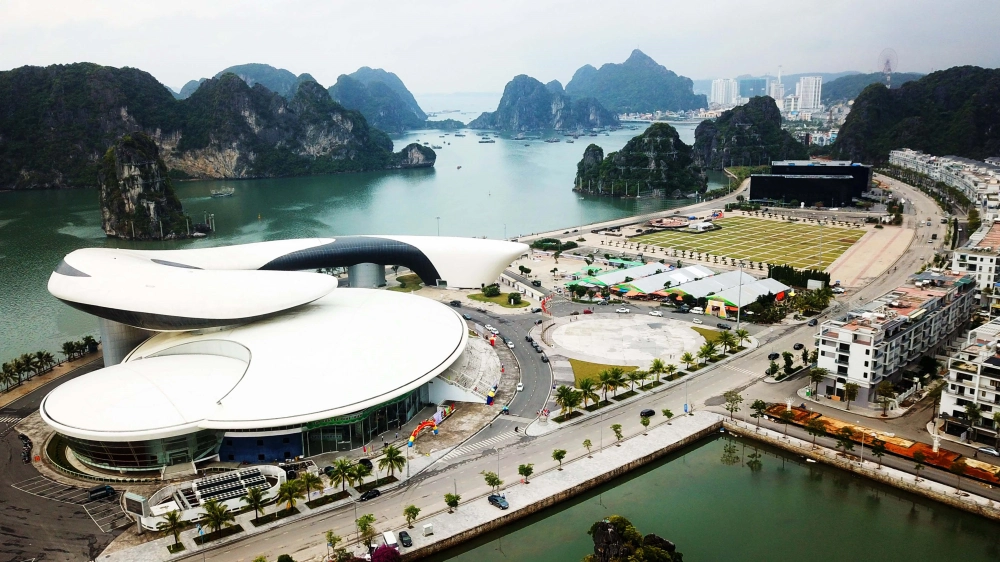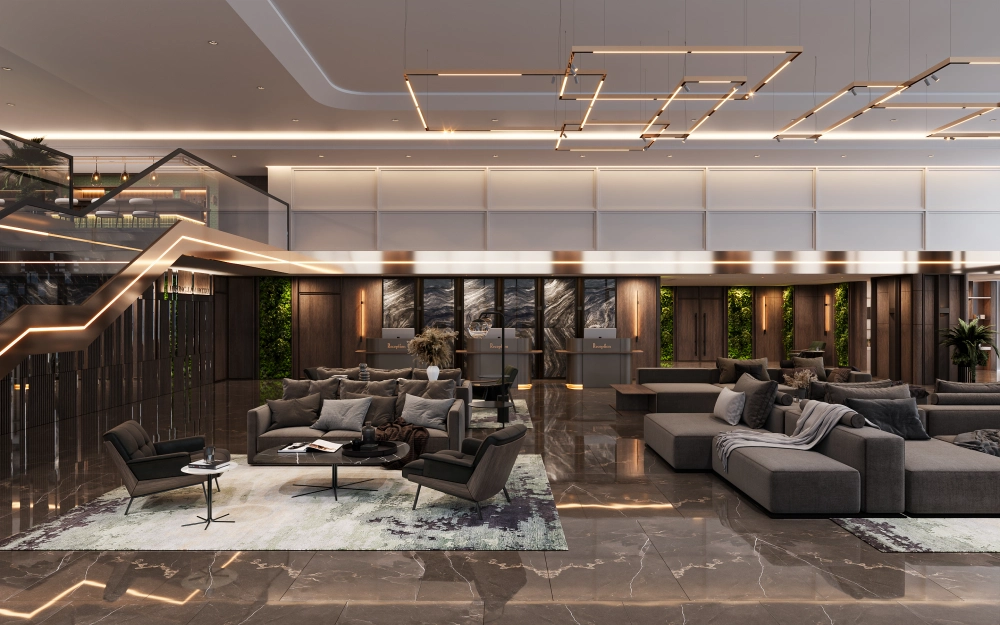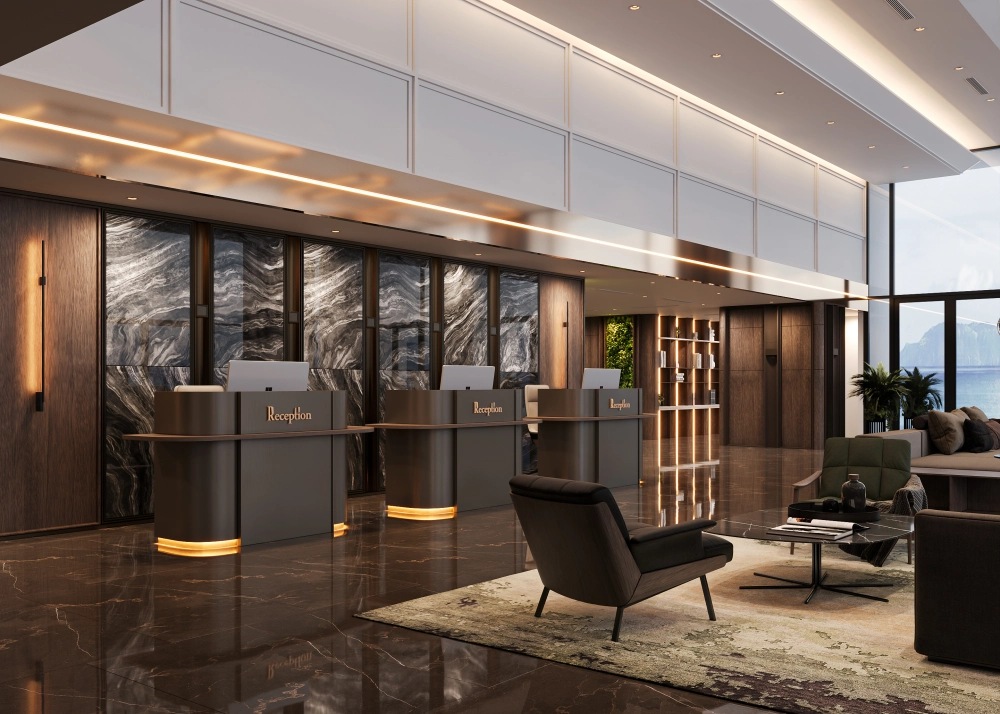
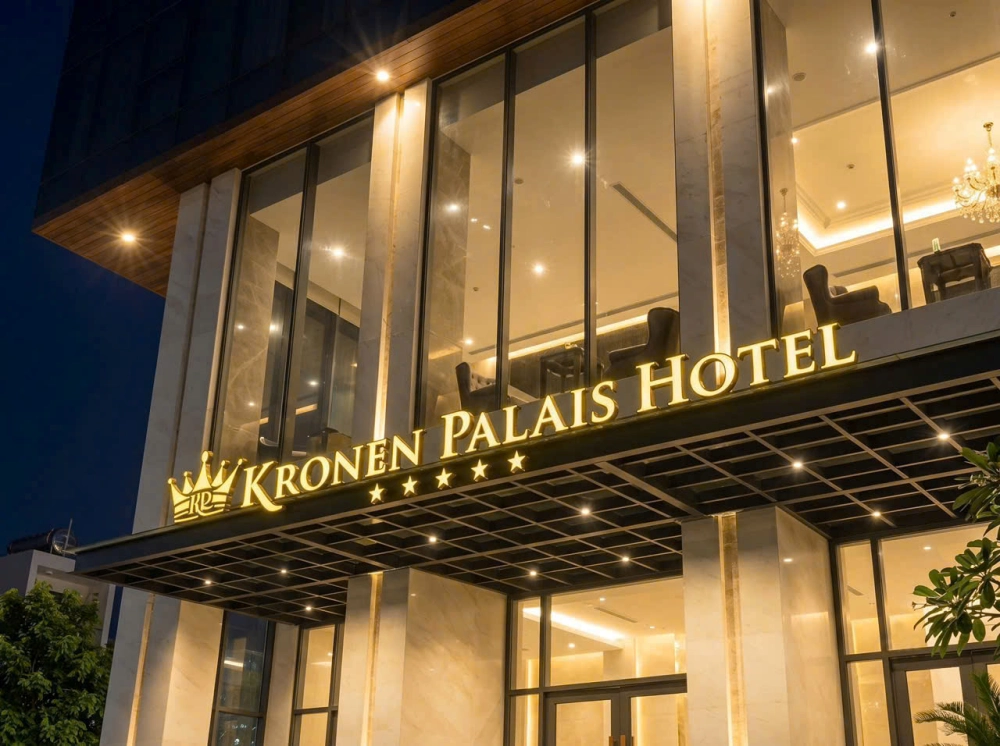
Kronen Palais – A Luxury 5-Star Hotel in Quang Ninh
How Kronen Palais created Ha Long's most stunning year-round sky pool retreat on the 10th floor.
Discover more: Kronen Palais – A Luxury 5-Star Hotel in Quang Ninh
Ho Chi Minh City is Vietnam’s largest economic center and an important destination for international business travelers, investors, expatriates, and tourists. Its commercial activities, office developments, shopping districts, and entertainment facilities support a broad range of accommodation demand.
The city’s hospitality sector includes luxury hotels, business-oriented properties, budget accommodation, and serviced apartments. This diversity creates opportunities for operators targeting different customer groups and travel purposes.
Unlike destinations that depend primarily on leisure tourism, Ho Chi Minh City’s hotel market benefits from a combination of business and recreational travel.
Corporate visitors often prioritize proximity to office buildings, commercial centers, and conference venues. Leisure travelers, meanwhile, are more likely to consider sightseeing opportunities, restaurants, shopping facilities, and access to public transportation.
Central districts benefit from their established commercial infrastructure and proximity to major attractions. Emerging business areas and modern urban developments may also create opportunities for hotels serving corporate clients, international professionals, and long-stay guests.
Serviced apartments represent another important segment. These properties typically offer additional living space, kitchen facilities, and services suitable for visitors staying for several weeks or months.
Hotels in Ho Chi Minh City are increasingly using digital tools to improve efficiency and customer satisfaction. Online booking platforms, customer relationship management systems, and revenue management software allow operators to monitor demand and adjust pricing strategies.
At the same time, service quality remains essential. Guests value efficient check-in procedures, comfortable rooms, reliable internet access, professional staff, and convenient business facilities.
Some hotels are also expanding their revenue streams through restaurants, meeting rooms, corporate events, wellness services, and food and beverage offerings. These additional services can help reduce dependence on room revenue alone.
Competition from alternative accommodation providers also encourages hotels to improve their value propositions and strengthen their brand identities.
The future performance of Ho Chi Minh City’s hotel market will depend on economic activity, international arrivals, corporate travel demand, and infrastructure development.
However, high property costs, labor expenses, and competition can create significant operational challenges. New investors should carefully assess local demand, room supply, customer profiles, and the financial performance of comparable properties.
Hotels that establish clear positioning, maintain consistent service standards, and manage expenses effectively may be better equipped to achieve sustainable growth.
As the city continues to develop its commercial and tourism infrastructure, its hospitality market is likely to remain an important area of interest for domestic and international investors.
Related article
How Kronen Palais created Ha Long's most stunning year-round sky pool retreat on the 10th floor.
Discover more: Kronen Palais – A Luxury 5-Star Hotel in Quang Ninh
Our 5-star standard protocols combining hospital-grade sterilization with bespoke aromatherapy care.
Discover more: Kronen Palais – A Convenient Location for Exploring Quang Ninh
The Italian marble veins and Grohe gold fixtures selected for our 1,000m² Presidential Suite.
Discover more: Discover Quang Ninh with Ease from Kronen Palais Hotel
Demo post to preview the news slider – delete or replace with a real article.
Discover more: Japan’s Hotel Market: International Tourism Creates New Growth Opportunities
Demo post to preview the news slider – delete or replace with a real article.
Discover more: Europe’s Hotel Market: Experience-Based Tourism Reshapes the Industry
Demo post showing every editor format – delete when the site has real articles.
Discover more: Global Hotel Market: Investment Trends and the Future of Hospitality